



Lithia Springs Ford - How Much Cargo Space and Payload Does the 2027 Ford Transit® Offer for Marietta, GA Businesses?
The 2027 Ford Transit® gives Marietta, GA business owners a practical way to match cargo space and payload capacity to the work that happens every day. For contractors, delivery operators, mobile service providers, event teams, caterers, and growing fleet managers, the right van has to do more than look capable on paper. It needs usable room, accessible loading points, upfit potential, smart technology, and enough strength to carry tools, materials, parts, or packages without slowing down the schedule.
Ford designed the Transit® lineup around flexibility, and that matters for businesses operating around Cobb Parkway, Powder Springs Street, Roswell Road, and nearby job sites throughout the greater Marietta area. Some drivers need a compact-feeling van that can manage tight parking lots and frequent stops. Others need a high-roof cargo area that allows easier movement inside the van, plus enough volume for shelves, bins, ladders, inventory, or service equipment. The 2027 Transit® provides a wide range of configurations, helping business owners choose a van based on workflow rather than settling for a single layout.
Cargo Space Starts With the Right Body and Roof
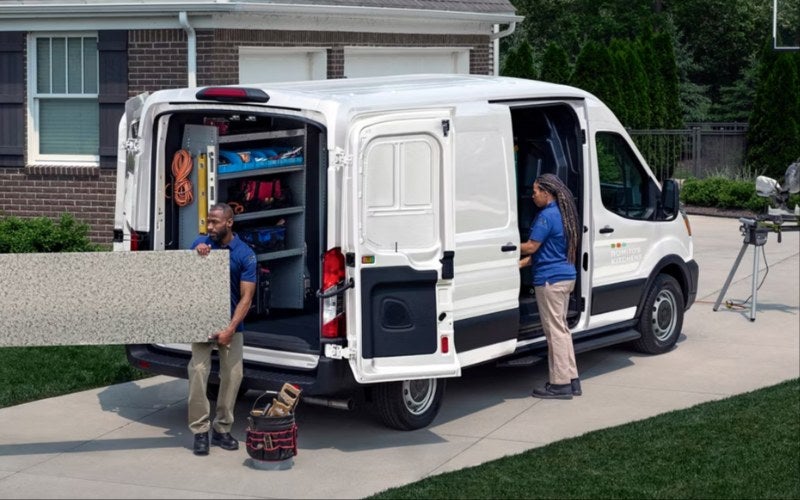
The 2027 Ford Transit® Cargo Van is available in three roof heights and three body lengths. Roof height choices include Low, Medium, and High, while length options include Regular, Long, and Extended. This structure makes the van highly adaptable because cargo space is not just about length from front to back. It is also about vertical clearance, walk-in convenience, and how easily a driver can reach tools or inventory during a busy route.
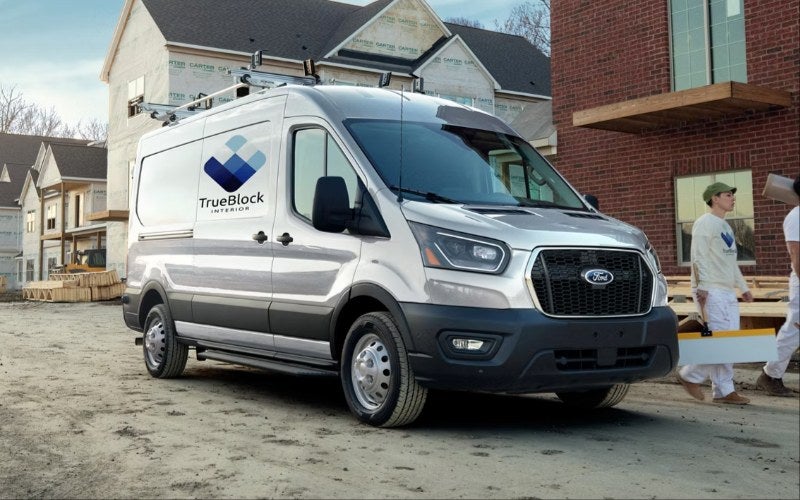
A Low Roof Transit® may work well for businesses that prioritize parking access and do not need to stand inside the van. A Medium Roof can create a useful balance for many service professionals, offering more vertical room while still feeling manageable during daily driving. A High Roof Transit® is especially appealing for trades and mobile work setups because the added height can make interior organization easier. For a mobile electrician, HVAC technician, or delivery operator, being able to move more naturally in the cargo area can save time at every stop.
Payload Capacity for Serious Work
Payload is one of the most important numbers to review before choosing any cargo van. The 2027 Ford Transit® Cargo Van offers a maximum payload of 5,047 lbs when properly equipped. That capability gives businesses the strength to carry tools, materials, equipment, packaged goods, or job-specific upfits. For many Marietta-area companies, payload directly affects productivity because a van that can carry more in a safe and organized way may reduce repeat trips and improve route efficiency.
The E-Transit™ Cargo Van also brings impressive usefulness with a maximum payload of 3,322 lbs. For businesses with predictable daily routes, local deliveries, campus operations, or scheduled service areas, the fully electric E-Transit™ can be a strong fit. It offers the same general Transit® approach to usable cargo space while adding electric operation and available Pro Power Onboard™ - 2.4 kW, which can help support tools and equipment away from a fixed power source.
How to Match a Transit® Configuration to Your Business
Choosing the right Transit® starts with understanding the heaviest and most space-demanding day of the month. A van may feel roomy when empty, but shelves, partitions, bins, replacement parts, toolboxes, safety gear, and job materials can change the way the cargo area functions. Before selecting a configuration, business owners should map out the load and think about how drivers will move through the van during a normal route.
- Contractors: Consider a Medium Roof or High Roof Transit® with a Long or Extended body if interior shelving, ladder storage, and bulky materials are part of the routine.
- Delivery businesses: Focus on door access, aisle width, floor space, and the ability to organize packages by route or stop sequence.
- Mobile service teams: Look for roof height that supports comfortable access to drawers, bins, and equipment without constant bending or unloading.
- Event and catering crews: Review load floor length, tie-down needs, and vertical clearance for stacked containers, carts, or display materials.
- Electric fleet planners: Compare E-Transit™ payload, route distance, charging plans, and available Pro Power Onboard™ for daily operational fit.
That type of planning can help prevent choosing too little space or more van than the business truly needs. It also helps with future upfits, because a cargo van becomes more productive when storage systems, partitions, and work zones are designed around actual daily use.
Technology Helps Manage a Larger Vehicle
Cargo space and payload matter most when the van is easy to use, and the 2027 Transit® supports drivers with practical technology. Ford Co-Pilot360® technology includes helpful systems such as front and rear parking sensors, Pre-Collision Assist® with Automatic Emergency Braking, and Lane-Keeping System. These features are especially valuable in commercial driving, where a van may enter tight loading areas, back into service spaces, or travel through busy local corridors throughout Marietta.
The available 12" center display with SYNC® 4 also supports a more modern workday. A clear display can help drivers manage key vehicle functions, navigation support, and connectivity with less frustration. For businesses with multiple drivers, straightforward controls and useful visibility features can make training easier and help keep routes running smoothly. On select configurations, available camera technology can also support awareness when maneuvering around storefronts, warehouses, apartment communities, schools, and job sites.
Gas and Electric Options Add Flexibility
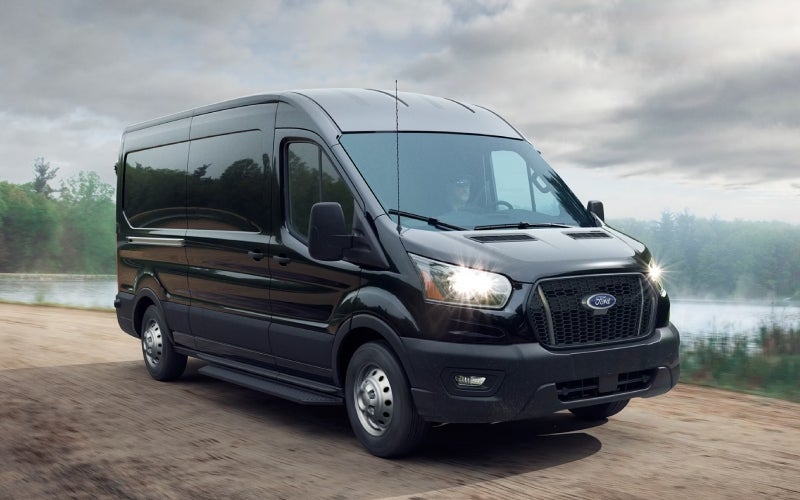
The 2027 Transit® lineup includes gas-powered models with the 3.5L PFDi V6 or available 3.5L EcoBoost® V6. The 3.5L PFDi V6 is a practical choice for everyday capability, while the 3.5L EcoBoost® V6 can be appealing for drivers who want stronger response when the van is loaded or routes include frequent merging and highway driving. Available Intelligent All-Wheel Drive is another important consideration for businesses that visit construction sites, rural properties, gravel lots, or uneven access roads.
The E-Transit™ Cargo Van brings a different kind of value for businesses with planned daily routes. Because many local service and delivery operations return to the same base each day, electric operation can fit naturally into the workflow. The E-Transit™ also supports businesses that want a professional van with meaningful cargo capability and the potential to power certain tools or devices through available Pro Power Onboard™.
Questions to Ask Before Choosing Cargo Space
Before buying, business owners can save time by answering a few practical questions. The best Transit® configuration should support the job today while leaving enough flexibility for growth, new equipment, or added route demands.
- Daily load: What tools, materials, or inventory stay in the van every day?
- Peak load: What is the heaviest or largest load the van must carry during a busy week?
- Interior movement: Does the driver need to stand, sort, or work inside the cargo area?
- Parking environment: Will the van regularly enter garages, tight lots, service alleys, or dense retail areas?
- Upfit plan: Will shelves, partitions, racks, refrigeration, drawers, or power equipment be added?
These answers help clarify whether the best fit is a smaller, easier-to-park configuration or a larger Transit® with more cargo volume and vertical capability. A test drive should include a close look at door openings, step-in height, mirror visibility, turning feel, and how the cargo area would function once fully organized.
Frequently Asked Questions:
What is the maximum payload for the 2027 Ford Transit® Cargo Van?
The 2027 Ford Transit® Cargo Van offers a maximum payload of 5,047 lbs when properly equipped. Payload depends on configuration, equipment, and other factors, so shoppers should review the specific model and setup before making a decision.
Does the E-Transit™ Cargo Van offer useful payload?
Yes. The E-Transit™ Cargo Van offers a maximum payload of 3,322 lbs, making it a strong option for local delivery, service routes, and business operations that can benefit from fully electric operation.
Which roof height is best for a work van?
The best roof height depends on the job. Low Roof models can be easier to manage in certain parking situations, while Medium Roof and High Roof configurations add vertical room that may improve organization and movement inside the cargo area.
Can the 2027 Ford Transit® be upfitted for business use?
Yes. The Transit® is a strong platform for business upfits, including shelving, partitions, storage systems, racks, and specialized work layouts. Shoppers should plan upfit needs early so the body length, roof height, payload, and powertrain match the intended use.
For Marietta, GA businesses, the 2027 Ford Transit® is valuable because it can be matched to a specific workflow. The combination of available roof heights, body lengths, payload capability, gas and electric powertrains, available Intelligent All-Wheel Drive, and helpful Ford Co-Pilot360® technology makes it much more than a basic cargo van. It is a configurable tool for business growth.
The smartest next step is to compare configurations in person and think through how the van will operate after shelves, cargo, equipment, or passengers are added. With the right layout, the 2027 Transit® can help drivers stay organized, reduce extra trips, support daily productivity, and present a professional image everywhere the workday leads.